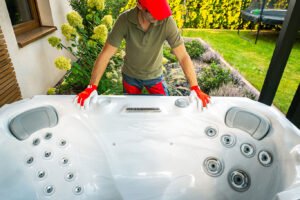
Hot tubs are a source of relaxation—but like any home system, they sometimes need repairs. Understanding which tub repairs can be handled at home versus those that require a professional can save you both time and money.
This guide breaks down common issues, helping you decide when to roll up your sleeves—and when to pick up the phone.
Common DIY Tub Repairs You Can Handle
Some problems are simple enough for most homeowners to fix with basic tools and a little patience.
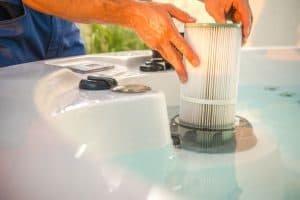
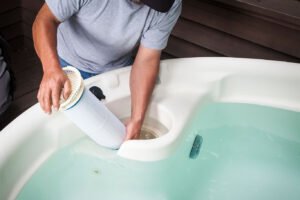
1. Cleaning and Unblocking Filters
- Symptoms: Slow water flow, error codes
- Fix: Remove and rinse the filter with a hose. Use filter cleaner spray monthly.
2. Replacing the Spa Cover or Cover Clips
- Symptoms: Heat loss, cracked or waterlogged cover
- Fix: Order a replacement and install using basic tools. No technical knowledge needed.
3. Resetting the Control Panel
- Symptoms: Non-responsive buttons, blank display
- Fix: Power cycle the hot tub by turning it off at the breaker, waiting 30 seconds, and restarting.
4. Checking Water Levels and pH Balance
- Symptoms: Jets not working properly, cloudy water
- Fix: Use a test strip and adjust with pH up/down products. Add water as needed.
These are simple, non-technical issues that most owners can manage themselves—especially with guidance from your spa’s manual or the Total Hot Tubs Maintenance Guide.
Tub Repairs That Require a Professional
When things go beyond filter changes or basic resets, it’s time to call in a trained technician. Here’s when to step back:
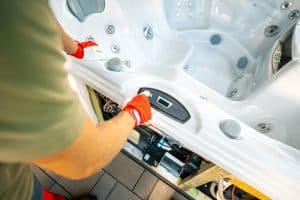
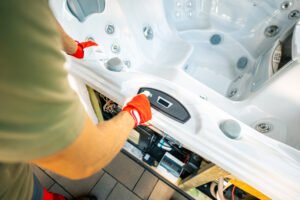
1. Electrical Faults or Power Failures
- Symptoms: Spa won’t power on, tripping circuit breaker
- Why call a pro: Water and electricity don’t mix. Incorrect handling could be dangerous or cause further damage.
2. Heater and Pump Issues
- Symptoms: No hot water, strange noises, low pressure
- Why call a pro: Diagnosing pump and heater faults requires testing tools and component knowledge.
3. Persistent Leaks
- Symptoms: Water loss without visible evaporation
- Why call a pro: Locating and sealing internal plumbing leaks may involve disassembly.
4. Control System Failures
- Symptoms: Malfunctioning keypad, error messages
- Why call a pro: Hot tub electronics are complex and often require part replacements or software updates.
5. Unusual Noises or Odours
- Symptoms: Loud humming, burning smell
- Why call a pro: These could signal motor burnout or electrical issues, needing swift attention.
Why Timely Repairs Matter
Ignoring minor tub repairs can lead to:
- Higher repair costs later
- Risk of long-term damage to plumbing or electronics
- Reduced energy efficiency
- Potential safety hazards
A minor leak today could become a full tub replacement tomorrow if left unchecked.
Knowing which tub repairs you can tackle yourself and which require expert help is key to keeping your spa in top condition. Simple cleaning, cover fixes, and water balance tasks are easy for DIY. But electrical, plumbing, and mechanical issues should be left to professionals.
Need help? Visit our hot tub repair page and book a reliable, local service today.
Contact us today:
📞 0800 999 8707
📧 info@oldtotalhotub.digihosting.co.uk
Frequently Asked Questions (FAQs)
Q1: How much do hot tub repairs usually cost?
A1: DIY fixes may cost under £50 for simple parts like seals or filters, while professional repairs can range from £100 to £500 depending on the complexity and type of issue.
Q2: How do I know if my pump or heater is broken?
A2: No heat, weak jets, or error codes are common signs. You might also hear unusual noises. A technician can test the electrical components and water flow to confirm the issue accurately.
Q3: Can I prevent tub repairs with regular maintenance?
A3: Yes. Regular maintenance helps prolong your hot tub’s life. Clean filters weekly, monitor water chemistry carefully, and inspect parts monthly to avoid costly breakdowns and ensure safe, efficient operation.